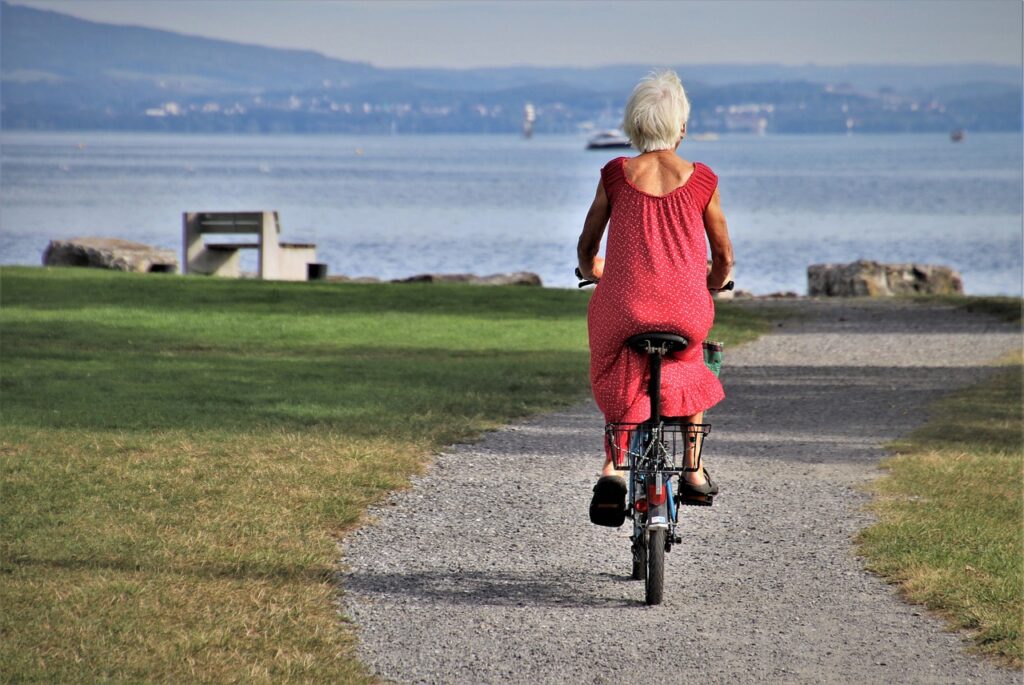
The Best Low-Impact Workouts for Ageing Joints
Why Low-Impact Matters
Joints are like car suspension. They can take a beating for years, but at some point the wear and tear catches up. Cartilage thins, tendons stiffen, and arthritis becomes more common. High-impact exercise like running or jumping is not always the enemy, but it can turn small aches into big setbacks if overdone.
That is where low-impact workouts shine. They protect the joints while still delivering the cardiovascular, muscular, and mental health benefits that exercise provides. The right choice of activity means you can stay active, build strength, and protect mobility without paying for it the next day.
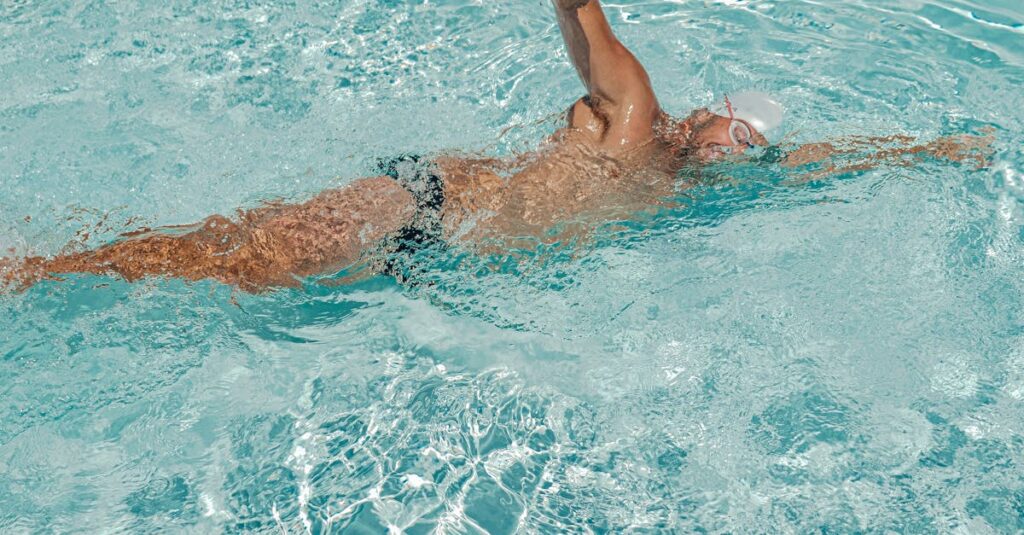
Swimming: The Water Cure
Swimming is one of the most joint-friendly workouts there is. The buoyancy of water supports body weight, taking strain off knees, hips, and spine while still letting muscles work hard.
Benefits:
- Full-body workout engaging arms, legs, and core
- Improves cardiovascular health, lung capacity, and circulation
- Builds flexibility and coordination
- Reduces stiffness for people with arthritis or joint pain
Practical tips:
- Mix strokes: freestyle for endurance, breaststroke for steady rhythm, backstroke to open posture.
- Water aerobics or aqua jogging are great alternatives for those not confident with lap swimming.
- Start with short sessions of 15–20 minutes and gradually build up.
Source:
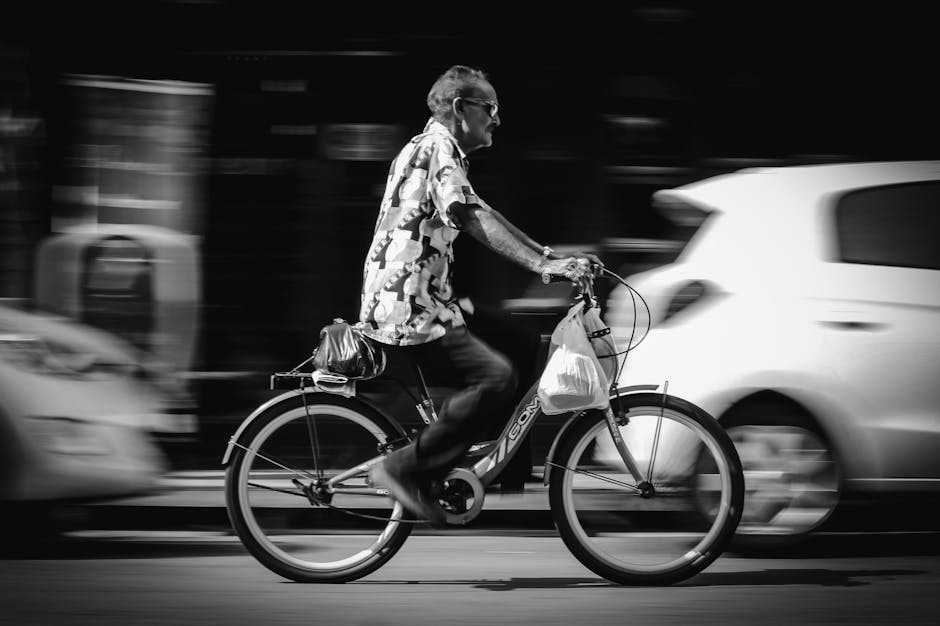
Cycling: The Joint-Friendly Spin
Cycling is a cardio powerhouse that protects joints from pounding. It strengthens the large muscles of the thighs and hips, which in turn stabilise the knees.
Benefits:
- Improves heart and lung health
- Builds quadriceps and hamstrings, reducing knee stress
- Enhances circulation and lowers blood pressure
- Can be adapted for any fitness level
Practical tips:
- For outdoor cycling: choose flat, safe routes with minimal traffic.
- For balance concerns, use a stationary or recumbent bike.
- Seat height matters: your knee should be slightly bent at the bottom of each pedal stroke.
Extra option: E-bikes provide pedal assistance, making cycling accessible even for those with reduced stamina.
Source:
low-impact-exercises-for-seniors
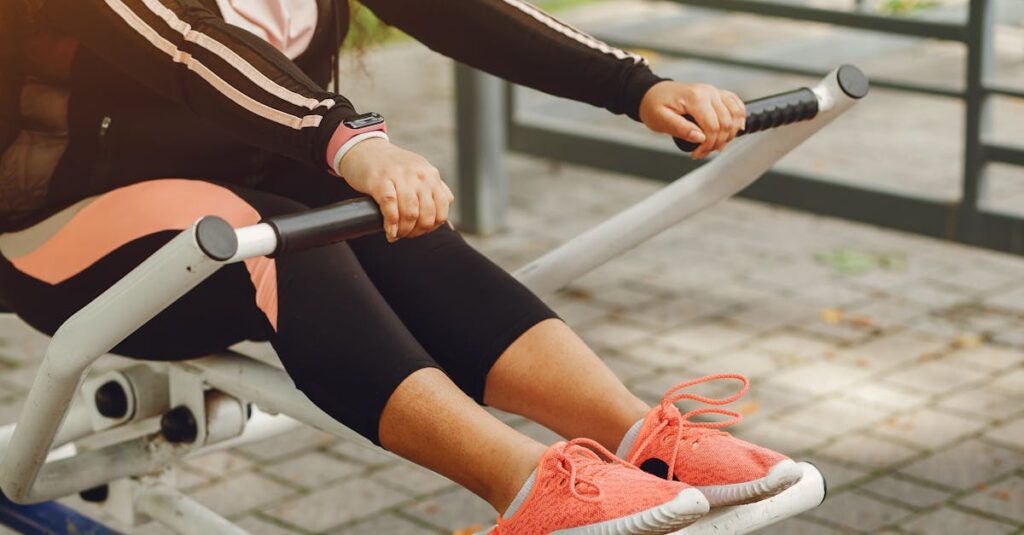
Rowing: Cardio Meets Strength
Rowing combines cardio endurance with muscular power. It engages over 80 percent of muscles in one movement, yet spares the joints.
Benefits:
- Strengthens legs, back, arms, and core simultaneously
- Improves posture and spinal stability
- Boosts cardiovascular endurance
- Burns calories efficiently with minimal joint strain
Practical tips:
- Focus on technique: legs drive first, then back, then arms.
- Start with 5–10 minutes at light resistance and build up to 20–30.
- Keep strokes smooth — jerky pulls can stress the lower back.
Variation: Water rowers or cable machines offer smoother resistance that feels easier on the body.
Source:
Walking: Old Reliable
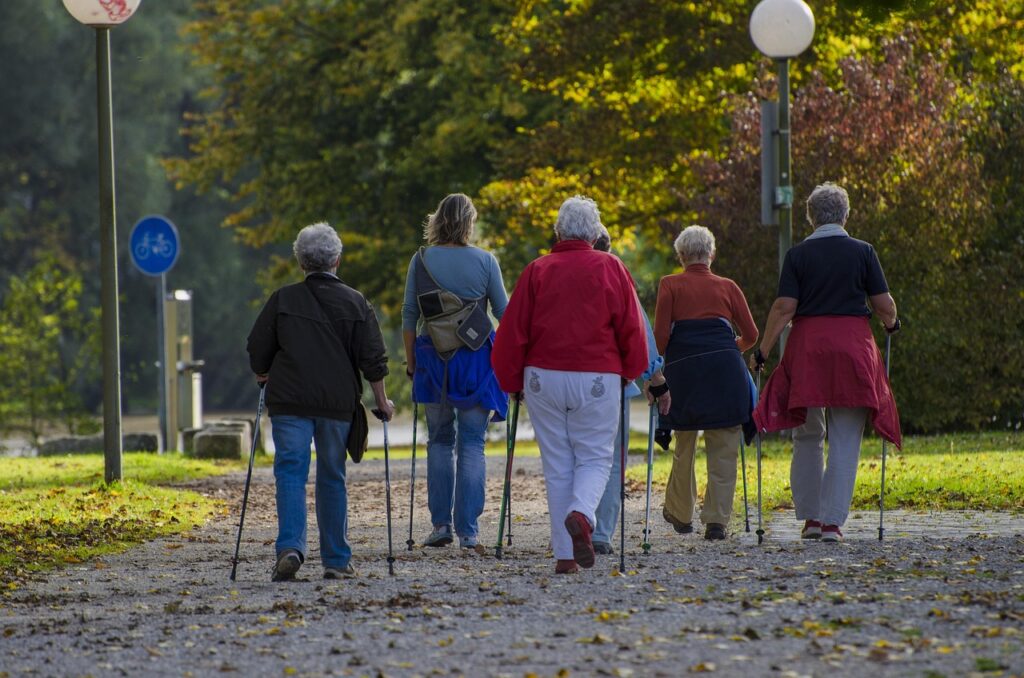
Walking is simple, accessible, and highly effective. It is weight-bearing, so it strengthens bones as well as muscles, while being gentle on joints.
Benefits:
- Lowers blood pressure and cholesterol
- Strengthens bones, helping prevent osteoporosis
- Reduces risk of dementia and depression
- Improves circulation and cardiovascular health
Practical tips:
- Aim for a brisk pace — you should be able to talk but not sing.
- Use walking poles to reduce impact and work the upper body.
- Vary terrain: trails add balance training, while pavements build stamina.
- For those with mobility issues, try shorter but more frequent walks.
Source: physicalactivity/walking
Elliptical Training: The Smooth Operator
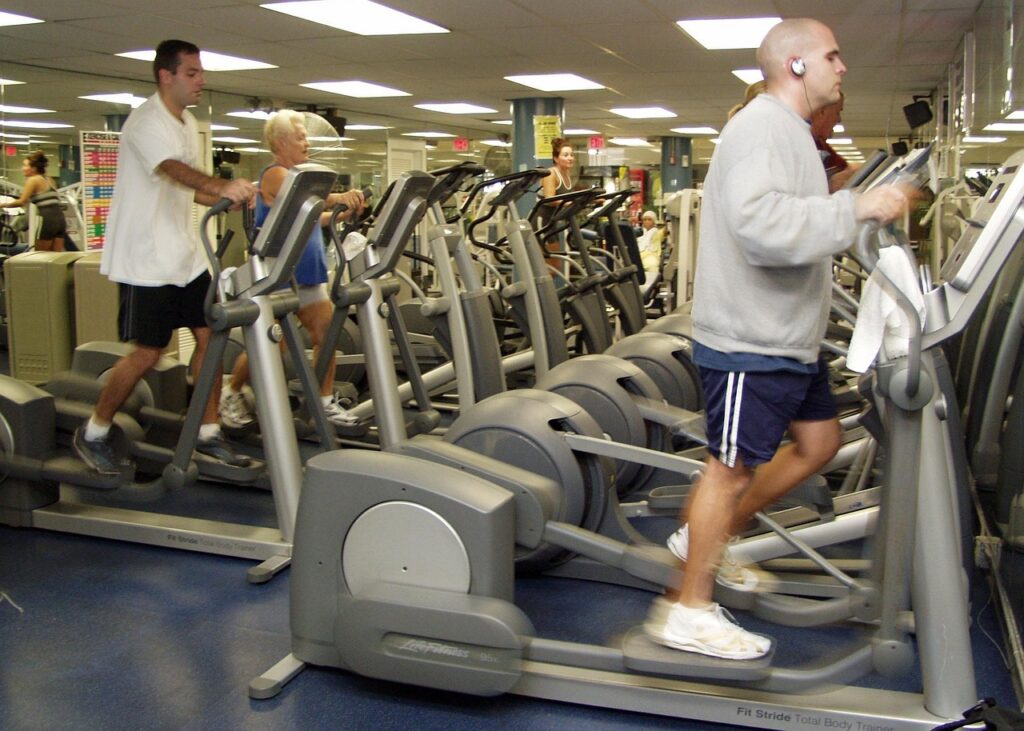
Elliptical machines simulate running without impact. They are excellent for those who want cardio intensity but cannot handle pounding joints.
Benefits:
- Works both upper and lower body if handles are used
- Improves cardiovascular fitness and coordination
- Adjustable resistance allows progression
- Smooth motion reduces risk of joint flare-ups
Practical tips:
- Maintain upright posture — leaning on the handles reduces benefit.
- Mix steady-state sessions with intervals for variety.
- Start with 10–15 minutes and build gradually.
Extra option: Some ellipticals have reverse pedalling, which engages different muscles and reduces repetitive strain.
Source:
Tai Chi and Yoga: Mobility Meets Mindfulness
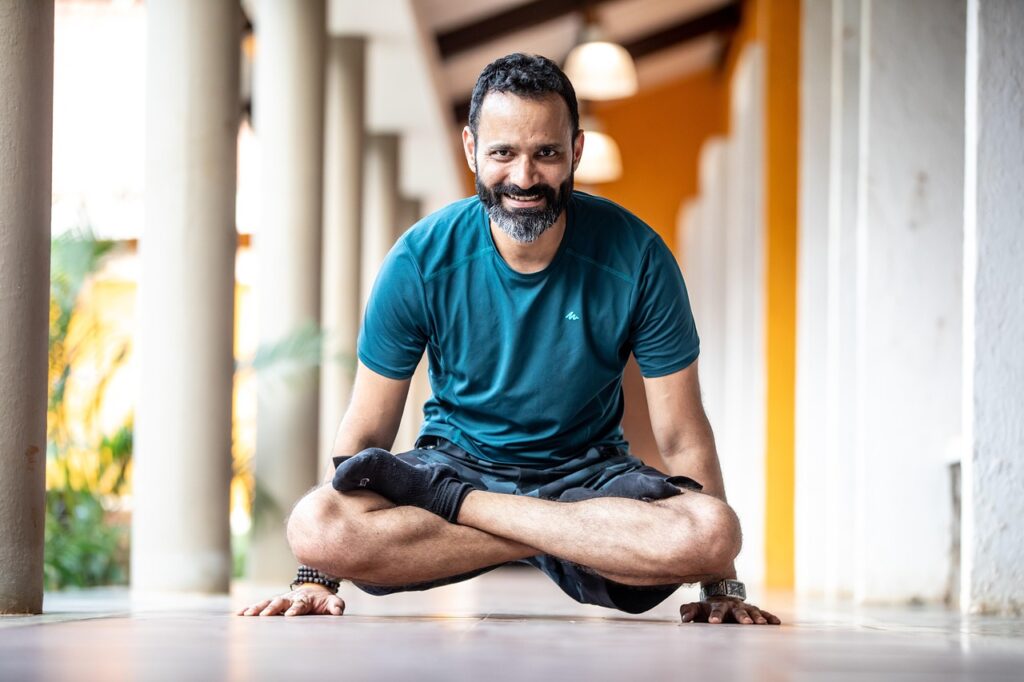
Flexibility and balance are often overlooked, but they are vital for protecting joints and preventing falls. Tai chi and yoga both deliver these benefits, with bonus stress relief.
Benefits of Tai Chi:
- Improves balance and coordination
- Reduces fall risk in older adults
- Enhances mental focus and calm
- Builds gentle strength in legs and core
Benefits of Yoga:
- Improves flexibility and posture
- Strengthens supporting muscles around joints
- Reduces stiffness and pain in arthritis
- Supports stress management and better sleep
Practical tips:
- Chair yoga and modified poses make yoga accessible at any age.
- Community tai chi classes provide both exercise and social connection.
- Start with short, guided sessions and increase gradually.
Source: https://www.ncbi.nlm.nih.gov/pmc/articles/PMC6289038/
Bone Density and Muscle: The Hidden Keys to Ageing Well
Low-impact workouts are joint-friendly, but they are also vital for protecting bone density and muscle mass. Both tend to decline with age, and both are directly tied to independence.
Bone density Bones respond to stress. Weight-bearing exercise signals them to stay strong, while inactivity leads to thinning and fragility. Swimming and cycling are excellent for joints, but they do not provide much loading for bones. This is why it is important to mix in weight-bearing activities like walking, resistance training, or stair climbing to keep bones dense and resilient. Low bone density raises the risk of fractures, which are often the turning point where older adults lose independence.
Thigh muscle strength Studies consistently show that thigh muscle strength is one of the best predictors of healthy ageing. Strong quadriceps and hamstrings make it easier to rise from a chair, climb stairs, and avoid falls. They also protect the knees by absorbing force and stabilising joints.
Low-impact workouts like cycling and rowing are excellent for building thigh strength without stressing joints. Add in resistance training for the legs — bodyweight squats, step-ups, or leg presses — and you have a powerful combination for protecting mobility well into old age.
Source: https://www.ncbi.nlm.nih.gov/pmc/articles/PMC6769764/
Protein and Creatine: Fuel for Muscles and Joints
Exercise alone is not enough to maintain muscle and bone as we age. Nutrition plays a critical supporting role, with protein being the most important macronutrient for older adults.
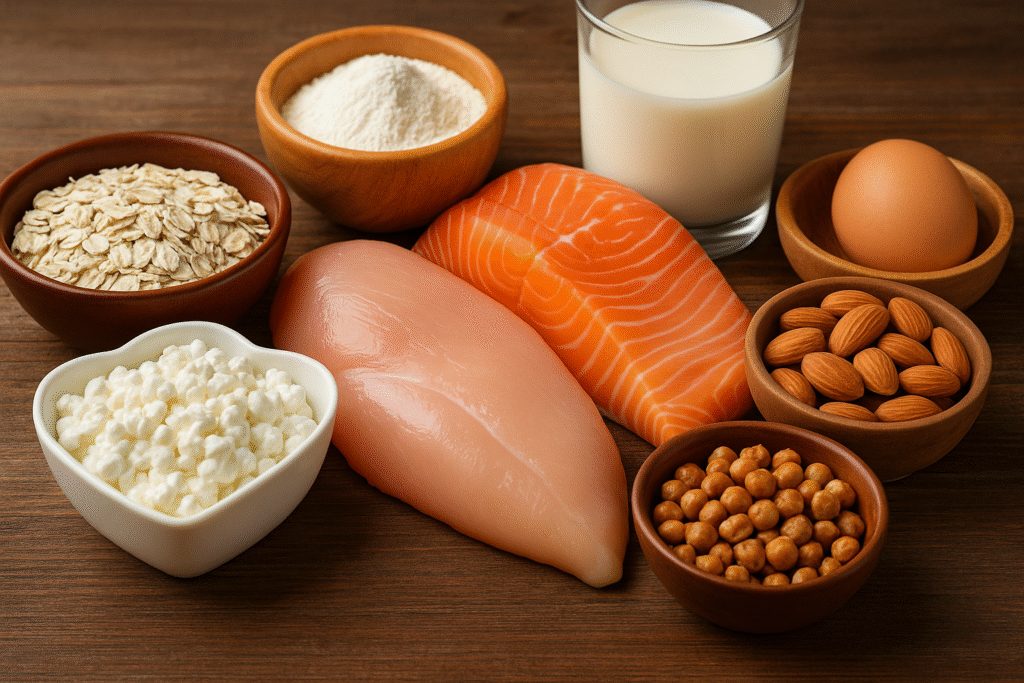
Protein After 50, the body becomes less efficient at using protein to build and repair muscle, a phenomenon known as anabolic resistance. This means older adults actually need more protein than younger people, not less. Aiming for 1.2 to 1.6 grams of protein per kilogram of body weight per day supports muscle maintenance, bone health, and recovery from exercise.
Sources of high-quality protein include lean meat, fish, dairy, eggs, legumes, and plant-based protein powders. Distributing protein evenly across meals is more effective than cramming it all into dinner.
Creatine Creatine is one of the most researched supplements in sports science, and its benefits extend far beyond athletes. For older adults, creatine supplementation improves muscle strength, power, and even cognitive function. It works by boosting the body’s short-term energy system, making it easier to train harder and recover faster.
Studies show that when creatine is combined with resistance training, older adults gain more lean muscle and strength than with training alone. A typical dose is 3 to 5 grams per day, which is safe for most healthy individuals.
Together, protein and creatine provide the raw materials and energy support your muscles need to make the most of low-impact exercise. Without them, even the best-designed training plan will fall short.
Sources: https://www.ncbi.nlm.nih.gov/pmc/articles/PMC7233499/
https://www.ncbi.nlm.nih.gov/pmc/articles/PMC6490732
What to Avoid With Ageing Joints
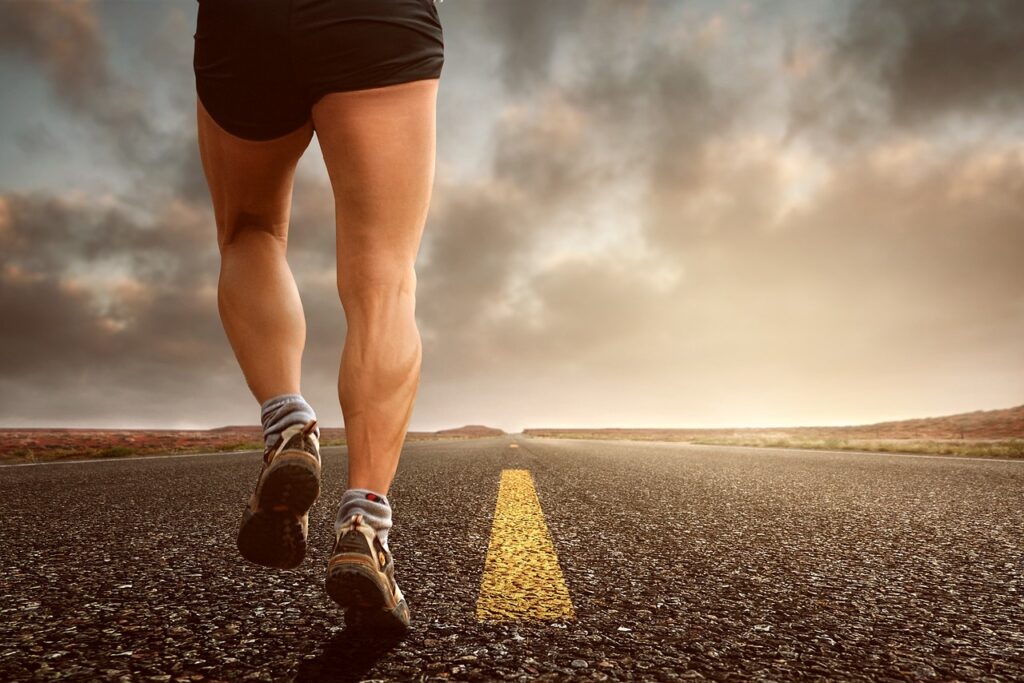
Repetitive high-impact activities like long-distance running on hard pavement
Deep squats or lunges with poor form or heavy loads
Sports with sudden pivots or jumps like basketball or tennis (unless well-conditioned and pain-free)
Ignoring pain signals — mild soreness is fine, sharp or persistent pain is not
Why Prevention Works
Low-impact exercise allows people to stay active even with arthritis, stiffness, or reduced mobility. It builds strength and endurance while protecting cartilage and joints from further wear. Staying consistent with these workouts reduces pain, maintains independence, and improves quality of life.
Source: https://www.who.int/news-room/fact-sheets/detail/physical-activity
Final Word: Keep Moving, Just Smarter
Ageing joints are not an excuse to stop moving. They are a reminder to move wisely. Swimming, cycling, rowing, walking, and flexibility practices like tai chi are tools that let you stay active without punishment.
The goal is not to train like a 20-year-old. It is to keep your joints happy so you can keep living the life you want. Keep it consistent, keep it fun, and let your joints thank you later.